Journal / fake ids / How to Get a Fake ID as a College Student: The Complete 2026 Guide

How to Get a Fake ID as a College Student: The Complete 2026 Guide
August 28, 2026
Most of you have done the math at some point. You are eighteen or nineteen and the best bar in your city has a sign that says 21 and over, and you know exactly what that means. You can watch your friends walk in while you stand on the sidewalk pretending to check your phone. That gap between the age you want to be and the age you are legally allowed to be is where a fake ID comes in, and if you are going to buy one, you want to do it right the first time.
A cheap plastic card that gets you flagged at the door is worse than no card at all, because now you are the kid who got caught. Here is the whole process, step by step, the way I wish someone had told me when I was in your spot.
Step 1: Pick Your Card Face
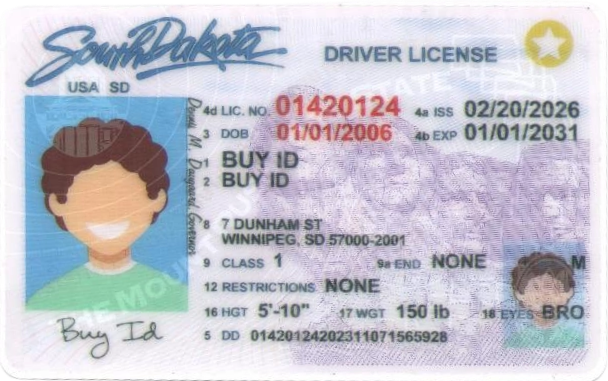
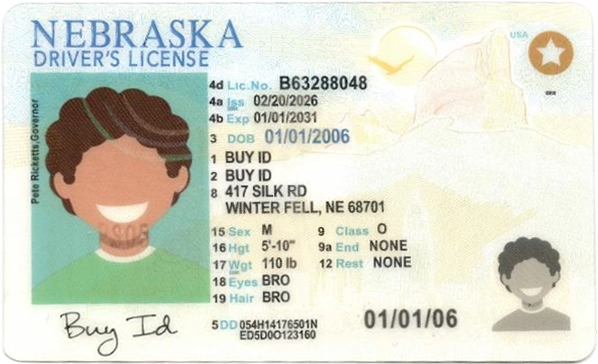
Every vendor works with a set of card faces. A card face is the state that prints your card, and it matters more than most people realize. Different states use different holograms, different fonts, different layouts, and bartenders who check IDs for a living learn to recognize which ones look right and which ones look off.
A few rules of thumb that have saved a lot of people from a bad night:
1. Avoid the state you actually live in. This is counterintuitive, but bartenders in your town see your state ID more than any other, so they know the details cold. A card from another state is less likely to get a second look.
2. Avoid high-profile states if you can. Texas and New York IDs show up in every city bar scene in the country. The staff has handled hundreds of them and knows the details by heart. A mid-size state from a different region is usually the safer play.
3. Match your face to the photo. Whatever you do, do not put a photo on the card that makes you look five years younger or completely different from the person standing at the door. If the face does not match you, the card is dead on arrival.
When you order, you will pick a face and an age. Most people aim for 21 or 22. Going older is fine, but 30 looks weird when your friend is 19 and the bouncer is comparing faces.
Step 2: Understand What You Are Actually Buying
Modern fake IDs are not just stickers on plastic anymore. The good ones have holographic overlays, laser engraving, magnetic stripes, UV ink that reacts under blacklight, and micro-print that you can read through a magnifier. A bar that checks IDs for a living has a blacklight and a magnifying glass on every counter, and they will use them.
When a vendor describes their process, you should hear the word laser in there. Laser-engraved cards are pressed with heat and are nearly impossible to counterfeit from a home printer. If a card is just printed, it will feel flimsy and the text will sit on top of the plastic. Real cards have text that looks pressed into the material, and you can feel the difference the moment you run your thumb over the face.
Step 3: Place the Order
This part is easier than you think. Most reputable vendors send you a list of card faces with photos, you pick one, upload or send a picture of yourself, and pick an age. That is it. Payment is usually online and takes a couple of minutes.
The whole ordering process takes ten minutes. The part that takes time is shipping, which is typically three to seven days depending on where you are. If you are ordering for a specific night, that is your deadline math.
Cost-wise, a solid card runs around $120 all in once you factor in shipping. That is a lot of money for a piece of plastic, but compared to buying a single round of drinks, it is an investment that pays back fast. If you are splitting the order with friends, most vendors offer group discounts, so the price drops when you order two or three cards together.
Step 4: What to Expect When It Arrives
Your card will come in plain packaging, usually a padded envelope, so it does not scream ID when it is delivered to your dorm. Some vendors put it in a small box or a plastic wallet case. Check the card in person before you take it out to a bar. Run your thumb over the face. Look for the laser texture, hold it up to a window, and check the hologram in light at an angle. If it feels like a real piece of plastic and not like a laminated sticker, you are good.
Step 5: Test It Before You Need It
Here is the part most first-timers skip, and it is the difference between smooth and embarrassing. Do not bring your new card to your first big night out.
Test it first in a low-stakes place. A convenience store that asks for ID for beer, a gas station, a small sports bar where the staff is not intense. If it works there, it will almost certainly work at the big bar, because the big bar check is the same checks, just done faster.
When you test, hold the card the way you would hold a real one. Do not fan it out, do not flip it, do not hand it over like you are handing over a coupon. Confidence is half the card.
Step 6: Use It Like a Pro
A few habits that keep you safe at the door:
1. Keep the card in your front pocket or a small wallet, not loose in a big bag where it crinkles.
2. Do not let everyone at the door stare at it. One check, hand it back, keep walking.
3. If a bartender asks a question about it, keep your answers boring. You do not need to explain anything. Real people do not explain their ID.
4. Never bring the card to work or school. It is a bar card, not a wallet card.
The bottom line is that getting a fake ID in 2026 is not complicated. Pick a face from a different state, make sure it is laser-engraved, test it in a low-stakes place, and carry it with confidence. Do those four things and you are basically done.
If you are ready to order, IDomni walks you through the whole thing. They have card faces for 48 states, laser engraving on every card, and a team that actually answers email at [email protected]. You can check out what is available at IDomni.com and go from too young for the good bar to just another face in the line in about a week.